A Meticulous Journey from Worn to Wonderful
At Smaraniya, restoration begins with research. Before we touch a piece, we study its period, style, joinery, and original materials. We believe the most profound respect we can pay a craftsman of the past is to understand their work before we improve upon it.
We use traditional techniques wherever possible — hide glue, mortise and tenon joints, hand-cut dovetails, French polishing, and period-appropriate fabrics. Modern materials are only used where they demonstrably improve longevity without compromising authenticity.
Every piece leaves our workshop with a full restoration report detailing all work carried out, materials used, and care instructions for the future owner.
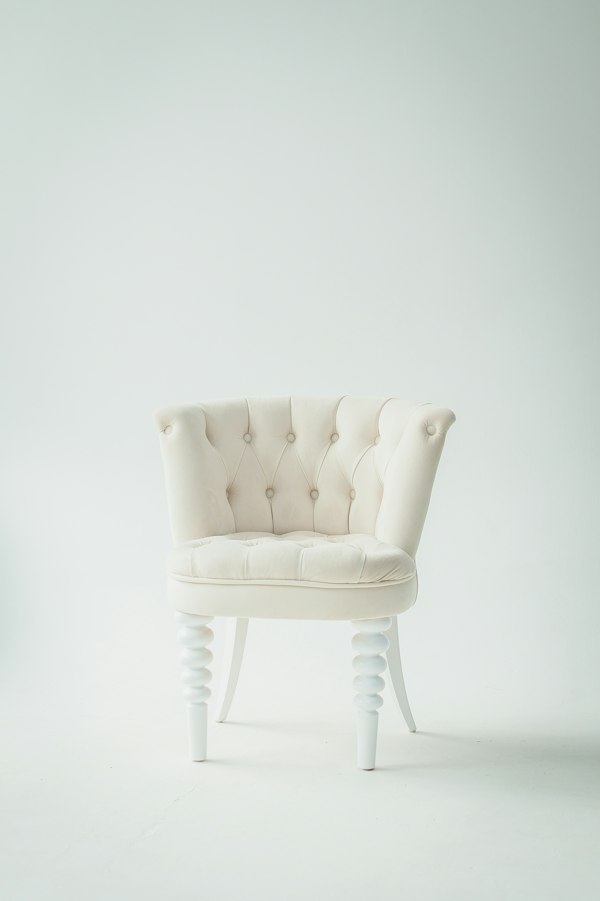
A typical restoration project follows these eight carefully considered stages. Each is given the time it deserves — never rushed.
We evaluate the piece in person or via detailed photographs. We assess structural integrity, surface condition, upholstery, hardware, and provenance. A full written assessment is provided to the client.
Based on our assessment, we prepare a transparent, itemised quote covering all materials and labour. We discuss options (e.g., period-correct vs modern materials) and agree the scope before any work begins.
Our specially equipped team collects the piece using padded blankets and climate-controlled vehicles. On arrival at our workshop, it is photographed and catalogued in detail.
We address all structural issues first. Joints are disassembled, cleaned, and re-glued with hide glue. Damaged or missing elements are carefully reconstructed using period-appropriate woods and hand techniques.
Existing finishes are assessed: we remove only what is damaged, preserving original patina where possible. Stripping, sanding, staining, and finishing are carried out to restore the surface to its original beauty.
Where required, we remove old upholstery and inspect the underlying structure. New webbing, springs, padding (horsehair where appropriate), and fabric are applied using traditional hand-stitching techniques.
Every restored piece undergoes a rigorous final inspection by our head craftsman. We check structural integrity, surface finish, upholstery, hardware, and overall presentation before it leaves the workshop.
The finished piece is wrapped and delivered to the client. A full restoration report is provided, detailing all work carried out, materials used, and care instructions for the years ahead.
See the remarkable difference expert restoration makes. Each of these pieces was lovingly returned to its former glory.
Complete restoration of a set of 6 Victorian dining chairs. Stripped, repaired structural joints, reupholstered in period-appropriate fabric.
Full restoration of an 1890s roll-top desk. New felt fitted, all hardware polished, wood refinished to bring back the original lustre.
Complete leather replacement and structural frame restoration on a 1920s Chesterfield. New horsehair padding, hand-stitched buttons.
Structural repair, veneer replacement, and complete refinishing of a stunning Art Nouveau display cabinet with original brass fittings.
The traditional shellac-based finish that gives antique furniture its distinctive warm lustre. Applied by hand in dozens of thin coats.
The original adhesive used by furniture makers for centuries. Unlike modern glues, hide glue remains reversible — a crucial property for authentic restoration.
Structural joints cut entirely by hand using traditional saws and chisels. Stronger and more authentic than any machine-made equivalent.
The most refined gilding technique, involving genuine gold leaf applied over gesso and bole. Used for our finest mirror and frame restorations.
Horsehair stuffing, hand-tied spring units, hessian webbing, and hand-stitched edges — as our Victorian predecessors intended.
Used to correct warped wood and reshape damaged curved elements without replacement. Minimal intervention, maximum authenticity.
Whether you have an heirloom needing care or a piece you've discovered at auction, we'd love to hear from you.